
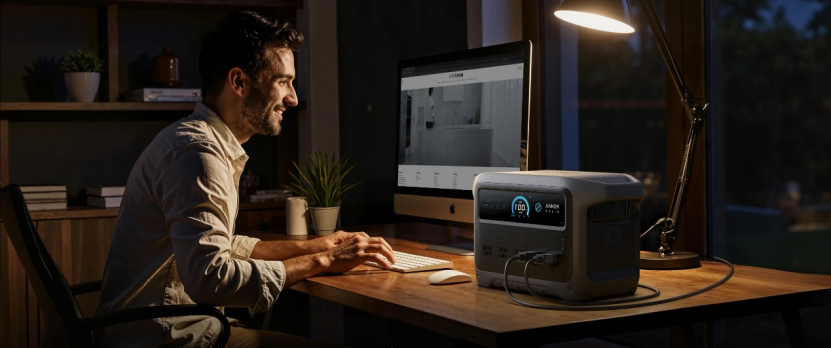
A solar-powered generator provides a clean, quiet alternative for powering vital gadgets during a power outage, but is it adequate on its own? The answer is determined by what you need to operate, how long the outage lasts, and how much energy your generator and solar panels can provide and store. Solar generators are good for short-term or partial backup power, but their production and runtime are limited. This blog describes what solar generators can and cannot power during an outage, when they are most effective alone, and how to design a dependable backup system that suits your home's energy requirements.
What Can a Solar Generator Reliably Power During an Outage?
Essential Devices Like Refrigerators, Lights, and Wi-Fi
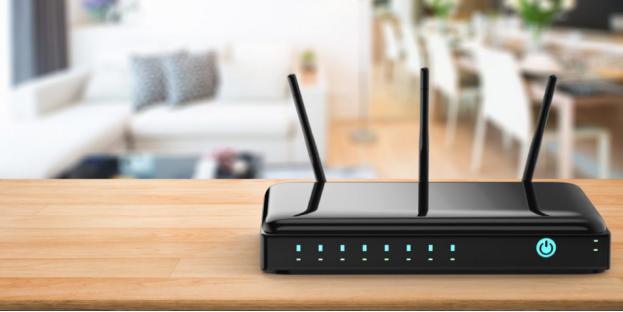
Depending on capacity, most solar-powered generators can power important gadgets for many hours or even a whole day. A refrigerator uses roughly 100-200 watts and cycles on and off; thus, a 1,000-2,000Wh generator can power it for 8-24 hours. LED lights consume just 5-10 watts apiece and may operate for days. Wi-Fi routers generally use less than 20 watts, making them an easy load for any device. Charging computers, iPads, and smart gadgets is also within reach. For brief outages, a suitably sized solar generator provides continuous assistance for food preservation, communication, and lighting, keeping your house operational and secure without the need for fuel or noise.
Medical Devices, Phones, and Emergency Electronics
Solar generators are particularly useful for powering crucial medical equipment and emergency gadgets during outages. CPAP devices utilize 30-70 watts per hour, allowing for nighttime usage with a 500-1,000Wh generator. Oxygen concentrators and infusion pumps require more precise load calculations, although they may be supported by high-capacity units. Phones, radios, walkie-talkies, flashlights, and battery packs use little power and may be recharged several times on a single charge. Keeping these gadgets online provides access to emergency warnings, contact with loved ones, and critical medical assistance. Individuals with health concerns may rest easy knowing that solar generators provide clean, dependable electricity without the use of dangerous fuels or noisy combustion systems indoors.
What Usually Exceeds a Solar Generator's Limits
While solar generators work well with low to medium-wattage devices, some appliances frequently surpass their capacity. Electric stoves, water heaters, central air conditioners, and washing machines consume 1,500 to 5,000 watts or more, greatly exceeding the capacity of most portable devices. These high-consumption gadgets also demand continuous operation, which quickly depletes batteries. Even modest equipment, such as hairdryers or space heaters, can overload systems if used repeatedly. Some solar generators provide surge assistance, although it only lasts a few seconds. Running numerous high-draw gadgets at the same time might overload the inverter and cause the machine to shut down. Solar power alone is insufficient for heavy-duty appliances or whole-home backup unless you have a big, permanently installed system with ample storage and input capacity.

When Should You Rely on a Solar Generator Alone or With Backup?
Using Solar Generators as Primary Emergency Power
You can rely on a solar power generator alone if your needs are limited to essential items like lighting, refrigeration, communication, and small medical devices. Many households create an emergency power kit based on a 1,000-2,000Wh unit and a matching solar panel configuration to retain basic operation during short-term outages. In well-planned circumstances, solar generators can power off-grid cottages, RVs, or residences for 1-3 days. The trick is to control consumption, monitor battery levels, and charge during daylight hours. Solar generators are a good standalone choice for low-consumption backup power in light outages or emergency situations if mobility, quiet operation, and fuel-free energy are important.
Combining Solar Generators With Grid, Gas, or Battery Systems
Solar generators are most effective when paired with other backup systems for protracted outages or high energy requirements. You may augment them with gas generators for high-wattage appliances or on cloudy days. Hybrid inverter systems combine solar, battery, and grid electricity to provide smooth operation. Combining a solar generator with a home battery bank or power station increases runtime and handles heavier loads. This tiered technique ensures that even when solar input declines, your system continues to function. Solar is best for necessities, but gas or grid electricity can handle surges or high loads. Combining systems increases flexibility, minimizes fuel consumption, and keeps your house powered throughout any interruption, from hours to days.
Planning Capacity, Solar Input, and Energy Management
A successful solar generator utilization necessitates careful preparation. Begin by making a list of the gadgets you'll require during an outage, along with their wattages. To determine daily energy consumption in watt-hours, multiply the wattage of each device by the number of hours in use. Choose a generator with adequate capacity to meet at least 24 hours of those requirements. Pair it with solar panels capable of fully charging the device in a single day of bright sunlight—typically 200-400 watts for mid-size installations. Monitor power levels often, prioritize critical loads, and stagger appliance usage. Use DC connections for low-power devices to save electricity. Efficient management improves runtime and reliability. Smart planning transforms your solar generator into a reliable tool, rather than simply a backup.
Conclusion
A solar-powered generator is a reliable alternative for powering critical equipment during outages, but its efficacy is dependent on capacity, sunshine, and efficient energy management. While it can easily manage lights, communication equipment, and refrigerators, it may struggle with large appliances or long-term demand if not linked with other systems. Solar electricity may be sufficient for short-term outages or low-power requirements. For longer outages, combining solar with gas or battery backups provides complete coverage. With the proper setup and planning, a solar generator may be a strong, safe, and long-lasting addition to your home's disaster preparedness toolbox.















03 Comments
Karon Balina
19th May 2022 ReplyLorem ipsum dolor sit amet, consectetur adipisicing elit, sed do eiusmod tempor incididunt ut labore et dolore magna aliqua. Ut enim ad minim veniam, quis nostrud exercitation ullamco laboris nisi ut aliquip ex ea commodo consequat.
Julias Roy
19th May 2022 ReplyLorem ipsum dolor sit amet, consectetur adipisicing elit, sed do eiusmod tempor incididunt ut labore et dolore magna aliqua. Ut enim ad minim veniam, quis nostrud exercitation ullamco laboris nisi ut aliquip.
Arista Williamson
19th May 2022 ReplyLorem ipsum dolor sit amet, consectetur adipisicing elit, sed do eiusmod tempor incididunt ut labore et dolore magna aliqua. Ut enim ad minim veniam, quis nostrud exercitation ullamco laboris nisi ut aliquip ex ea commodo consequat.