
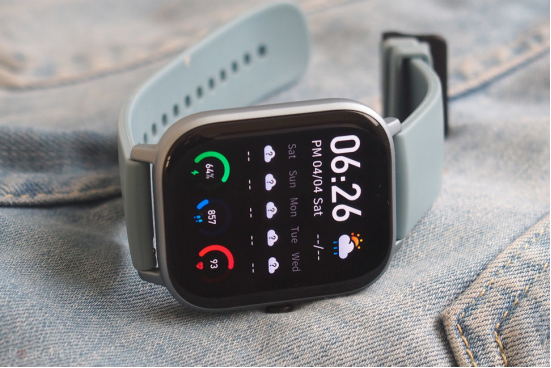
Wearable technology is becoming increasingly integral to various age groups. From tracking health metrics to enhancing social connectivity, wearables cater to diverse needs. This blog explores how people from different generations are adopting wearables, what’s fueling this uptake, and future growth trends. Understanding these dynamics not only helps manufacturers tailor their products but also assists health providers in leveraging these tools for better patient care. For example, the watch gt6 pro has gained popularity due to its advanced health tracking and multi-functional features, catering to users across different age groups, from fitness enthusiasts to seniors focusing on safety and health monitoring.

Adoption Patterns by Age Group
Different age groups exhibit distinct patterns of wearables adoption. Young adults and millennials are leading the charge, while middle-aged users are integrating devices for balanced lifestyles. Older adults and seniors increasingly rely on wearables for health monitoring and safety. These patterns highlight the evolving role of technology in everyday life.
Young Adults & Millennials — Early Adopters and Health Enthusiasts
Young adults and millennials embrace wearables mainly for fitness tracking and social connectivity. They are digital natives, comfortable with integrating technology into their daily routines. Popular devices among this group include smartwatches and fitness bands that monitor vital metrics like heart rate, steps, and sleep patterns. Additionally, wearables serve as extensions of their smartphones, offering notifications, music control, and contactless payment options. The tech-savvy nature of millennials makes them prone to adopt new features as they emerge, seeking devices that provide comprehensive data analytics. This group’s enthusiasm for health optimization and tech trends continues to drive wearables’ market growth.
Middle‑Aged Users — Fitness, Wellness, and Work-Life Integration
For middle-aged individuals, wearables serve as tools for achieving fitness goals and enhancing work-life balance. Devices provide functionalities such as stress management, guided meditations, and customized workout plans. Wearables act as personal assistants, helping users manage schedules through notifications and reminders. The emphasis here shifts from pure connectivity to utilizing technology for holistic wellness goals. With greater financial stability, this age group opts for premium features and high-end devices. As they balance careers and family life, wearables provide insights into personal health that aid in maintaining a fulfilling lifestyle.
Older Adults and Seniors — Health Monitoring, Safety, and Wellness
Older adults and seniors use wearables primarily for health monitoring and ensuring safety. Devices track critical health indicators, such as heart rate, blood pressure, and even fall detection. These features offer peace of mind to users and their families, enabling timely medical interventions. The simplicity of use is crucial, with designs focusing on larger displays and easy navigation. Wearables also foster independence by offering medication reminders and connectivity features like emergency contacts. Health apps tailored for seniors contribute to increased adoption, as they address specific aging-related needs. This adoption ensures that older adults can enjoy an enhanced quality of life while staying connected and safe.
What Drives Adoption in Different Generations?
Across generations, wearable technology adoption is influenced by various factors. Utility and health benefits stand out as universal drivers, while ease of use, digital literacy, and social trends add nuance to the overall landscape.
Utility & Health Benefits — A Universal Appeal
Wearables universally appeal due to their utility and health benefits. They provide valuable insights into personal health and fitness, offering metrics crucial for day-to-day well-being. Users appreciate accurate data that aids in monitoring their progress and making informed lifestyle choices. From heart rate tracking to sleep analysis, these features cater to the common desire for healthier living. Wearables also extend their utility to practical domains such as routine task management and communication facilitation. Such comprehensive offerings provide users across all age groups with reasons to adopt these devices.

Ease of Use, Digital Literacy & Comfort with Tech
Ease of use significantly impacts wearable adoption. Younger users, with higher digital literacy, dive into advanced functionalities with ease. Middle-aged individuals prioritize seamless integration into their existing tech ecosystem, while seniors favor straightforward interfaces. Companies design age-appropriate adaptations to widen appeal; touch-friendly screens and intuitive navigation demonstrate this. Education and customer support further assist users who may face hurdles with new technology. This adaptation ensures that each generation feels comfortable and informed when interacting with wearables.
Social Influence, Lifestyle Trends & Peer Adoption
The role of social influence and lifestyle trends is critical in wearable adoption. Younger generations are swayed by peer usage and brand popularity, often driven by social media influencers. Sharing fitness achievements creates a community around health goals, promoting continued use. Middle-aged users focus on lifestyle integration, aligning wearable use with personal values and wellness aims. Seniors benefit from societal trends advocating health monitoring tools. Emphasizing wearables within supportive communities fosters widespread acceptance and thriving adoption across age groups.
What Does This Mean for Wearable Makers and Health Providers?
The evolving patterns in wearable use present actionable opportunities for manufacturers and health providers. Catering to age-specific preferences and leveraging devices for public health are paramount.
Designing Inclusive Devices for All Ages
Wearable makers should focus on inclusivity when designing devices. Tailoring features for diverse age groups enhances appeal and accessibility. Younger users might benefit from tech-forward solutions, while seniors prefer straightforward usage. Age-neutral design elements, such as adjustable bands and versatile interfaces, widen reach. Collaboration with health specialists can refine features to adhere to medical standards, ensuring safe and effective health monitoring. By considering each demographic’s needs, companies can expand their market share and strengthen user loyalty.
Leveraging Wearables for Public Health and Preventive Care
Health providers can harness wearables to promote public health and preventive care. Data collected aids in early diagnosis and personalized treatment plans. Wearables offer real-time monitoring and alert systems that encourage timely interventions. Providers can conduct large-scale studies using aggregated data for population health insights. Telehealth integration further enhances remote patient management, widening accessibility. By embracing wearable technology, the healthcare industry can improve patient outcomes and foster a culture of proactive health management.
Conclusion
Wearable technology adoption is reshaping how different generations approach health, wellness, and connectivity. As the landscape evolves, opportunities for tailored innovations and improvements in public health emerge. By understanding generational patterns and crafting adaptive solutions, wearable makers and healthcare providers can continue driving forward sustainable adoption. This tech-savvy era presents endless possibilities and emphasizes the importance of bridging age gaps with inclusive, user-friendly designs. The future of wearables lies in their ability to transform lives across ages, proving their worth in enhancing daily experiences and overall well-being.

















03 Comments
Karon Balina
19th May 2022 ReplyLorem ipsum dolor sit amet, consectetur adipisicing elit, sed do eiusmod tempor incididunt ut labore et dolore magna aliqua. Ut enim ad minim veniam, quis nostrud exercitation ullamco laboris nisi ut aliquip ex ea commodo consequat.
Julias Roy
19th May 2022 ReplyLorem ipsum dolor sit amet, consectetur adipisicing elit, sed do eiusmod tempor incididunt ut labore et dolore magna aliqua. Ut enim ad minim veniam, quis nostrud exercitation ullamco laboris nisi ut aliquip.
Arista Williamson
19th May 2022 ReplyLorem ipsum dolor sit amet, consectetur adipisicing elit, sed do eiusmod tempor incididunt ut labore et dolore magna aliqua. Ut enim ad minim veniam, quis nostrud exercitation ullamco laboris nisi ut aliquip ex ea commodo consequat.